Automotive gets the headlines, but look at where lithium batteries are actually being deployed in volume: warehouse AGVs running 18-hour shifts, shared e-scooters scattered across cities, telecom towers with backup packs that sit idle for months, containerized energy storage feeding the grid [1]. In many regions, these non-automotive sectors collectively deploy more battery packs than the passenger vehicle market.
They also share a problem that automotive doesn't have. A car manufacturer controls the entire system: battery, vehicle, maintenance network. A warehouse operator managing 200 AGV packs across three facilities doesn't have that luxury. Neither does a telecom company responsible for backup batteries at 5,000 remote cell sites [2]. Traditional BMS, designed as a standalone device inside a single pack, isn't built for distributed fleet management at that scale.
What "Cloud-Connected" Actually Means for a BMS
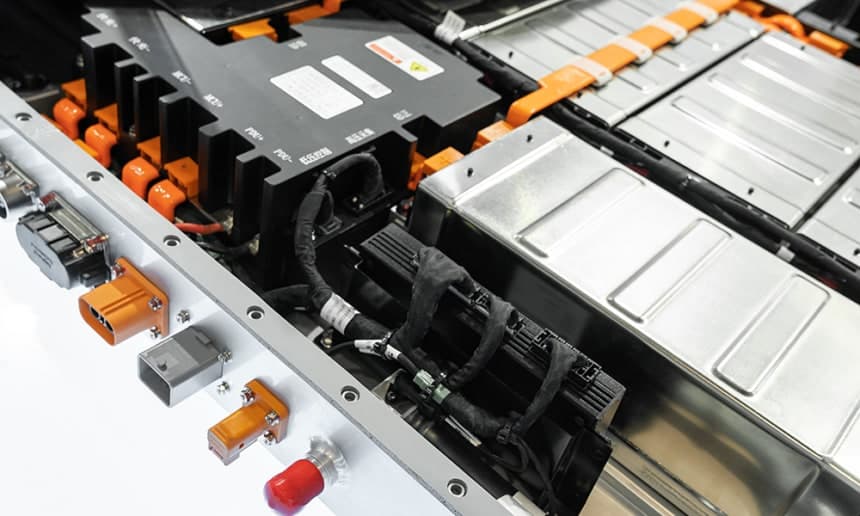
A standard BMS monitors voltages, currents, and temperatures, then makes local decisions: balance this cell, disconnect that charger, shut down if the pack overheats [3]. All of this happens on the pack itself, in real time, and it has to keep working that way. Millisecond-level protection logic can't depend on an internet connection.
Cloud connectivity adds a second layer on top. The BMS transmits its telemetry (cell voltages, temperatures, charge cycles, fault events, SOC and SOH estimates) through a connectivity gateway to a cloud platform [4]. That data gets stored, aggregated across the fleet, and analyzed in ways that a single BMS running on a microcontroller never could.
The key distinction: the BMS still handles real-time safety independently. The cloud handles everything that benefits from historical data, fleet-wide patterns, and more computing power than you can fit on a circuit board. These are complementary functions, not competing ones.
Warehouse AGVs: Where We Learned the Most
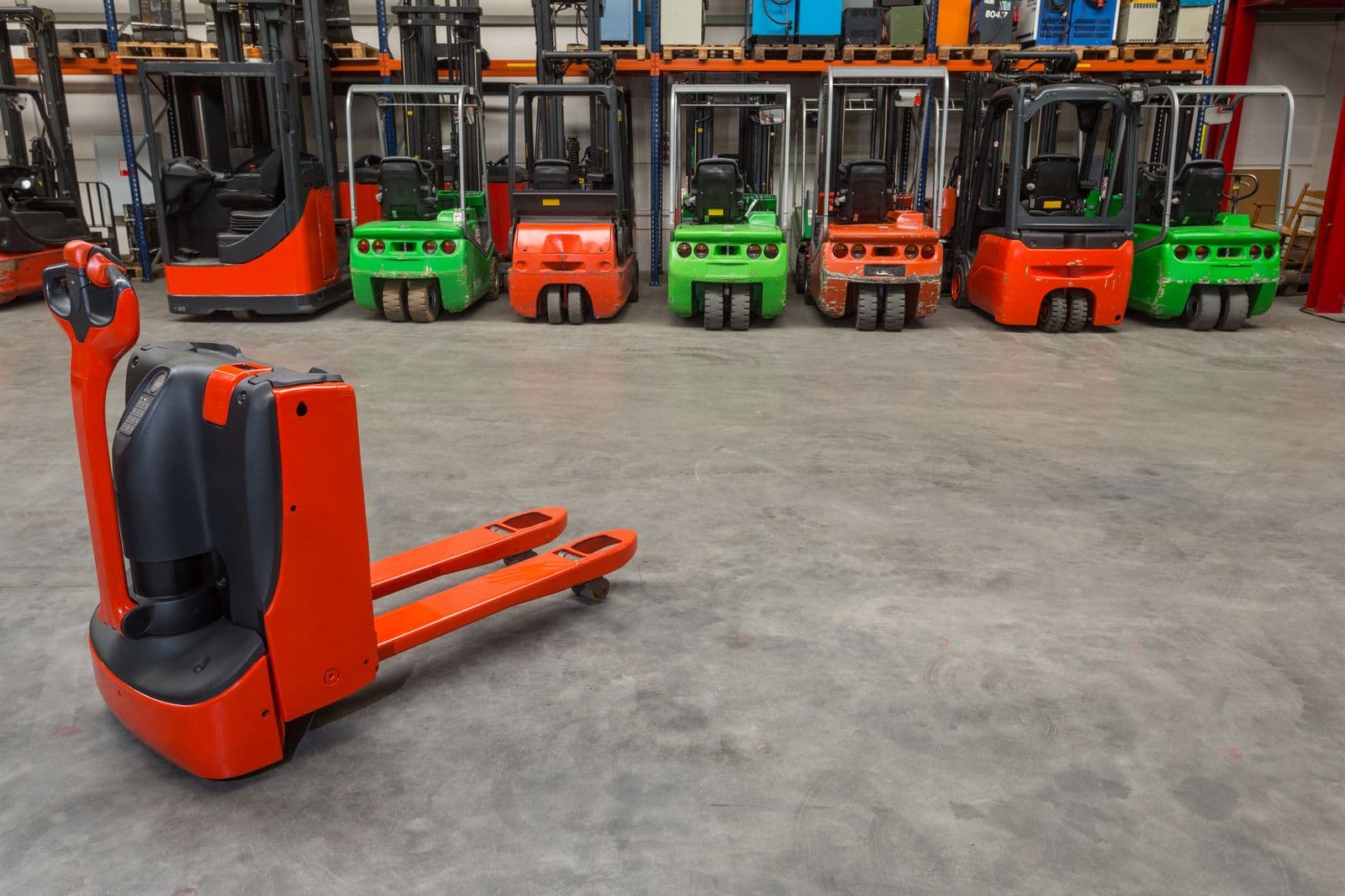
Our deepest experience with cloud-connected BMS comes from warehouse automation. AGVs in modern fulfillment centers operate on tight schedules. A single battery failure can disrupt an entire picking line [5]. Before cloud connectivity, operators relied on fixed charging schedules and periodic manual inspections. That approach either overcharges packs (burning through cycle life) or misses early degradation signals (leading to unexpected downtime).
With fleet-wide telemetry flowing to a cloud dashboard, the picture changes. Each AGV battery continuously reports cell-level data. The platform spots packs with accelerating capacity fade, uneven cell aging, or developing thermal anomalies, often weeks before an operator would notice anything during a routine check. Maintenance teams get prioritized alerts with specific pack locations and recommended actions, not a generic "check your batteries" warning.
The operational impact we've observed at customer sites: fewer unplanned replacements, better fleet availability, and smarter purchasing. Instead of replacing all packs on a fixed three-year schedule, operators can replace individual units based on actual measured degradation [6]. Some packs last four or five years. Some need replacement after two. Cloud data makes that distinction visible and actionable.
Micro-Mobility: Batteries Scattered Across a City
Shared e-scooter and e-bike operators face a different version of the same challenge. Their battery fleet isn't in a warehouse. It's spread across an entire metro area, experiencing wildly different ride patterns, weather conditions, and charging behaviors [7]. The operator needs to know which scooters need collection for charging, which batteries are nearing end-of-life, and whether any packs have been physically damaged or tampered with.
Cloud BMS turns this from guesswork into fleet management. Geofenced alerts flag abnormal battery states. Usage pattern analysis identifies packs being consistently deep-discharged, a practice that shortens calendar life significantly. End-of-life predictions feed into procurement planning so operators aren't scrambling for replacement packs mid-season when demand peaks.
Telecom Backup: The Quiet Critical Case
Telecom backup batteries spend most of their life doing nothing, which is exactly the problem. A pack that's been sitting in standby for eight months might look fine from the outside but have lost 20 percent of its capacity to calendar aging [8]. Without continuous monitoring, that degradation gets discovered only when the grid goes down and the battery can't carry the load. Worst possible timing.
Cloud-connected BMS monitors even idle batteries: self-discharge rates, periodic capacity validation cycles, environmental temperature trends [9]. The platform compares each site against fleet-wide baselines. A site in a hot climate aging faster than one in a temperate zone isn't surprising, but it's information that needs to drive maintenance scheduling, and it's invisible without continuous data collection.
Making It Work in Practice
The implementation details matter more than the concept. Connectivity needs to work reliably in industrial environments: inside metal warehouse structures, at remote cell tower sites, in outdoor ESS containers [10]. Power consumption has to be low enough that the monitoring system doesn't drain the battery it's watching, especially in standby applications. And the data platform needs to handle ingestion from thousands of packs without drowning operators in alerts they can't act on.
We've learned (sometimes the hard way) that the hard part isn't streaming data to the cloud. It's building the intelligence layer that turns raw telemetry into decisions an operations team can actually execute [11]. That means configurable alert thresholds, prioritized maintenance queues, and integration with whatever fleet management or SCADA system the customer already runs.
For non-automotive battery deployments, the question isn't really whether to connect your BMS to the cloud. At scale, the answer is obviously yes. The real question is whether the platform behind that connection is built for your specific operational workflows, or whether it's just a dashboard showing charts nobody has time to watch.
References
- [1]BloombergNEF, Energy Storage Market Outlook 2024 — Non-Automotive Battery Deployment Trends
- [2]GSMA, Mobile Infrastructure Sharing — Power and Energy Efficiency at Cell Sites
- [3]IEC 62619:2022 — Secondary Lithium Cells and Batteries for Use in Industrial Applications — Safety Requirements
- [4]LiBat — Battery Management Systems: Complete Product Lineup and Communication Interfaces
- [5]Material Handling Institute, Automated Guided Vehicle Systems — Battery Management and Charging Best Practices
- [6]McKinsey & Company, Battery 2030: Resilient, Sustainable, and Circular — Predictive Battery Analytics
- [7]McKinsey & Company, The Future of Micromobility — Shared E-Scooter and E-Bike Market Dynamics
- [8]Barré, A. et al., A Review on Lithium-Ion Battery Aging Mechanisms and Estimations for Automotive Applications, Journal of Power Sources, Vol. 241, 2013
- [9]ETSI EN 300 132-2 — Power Supply Interface at the Input of Telecommunications and Datacom Equipment
- [10]LiBat — Configuration Tools: LiMon PC Tool, LiMon CONNECT, and LiBat CONNECT Mobile
- [11]ISA-95 (IEC 62264) — Enterprise-Control System Integration — SCADA and MES Integration Standards