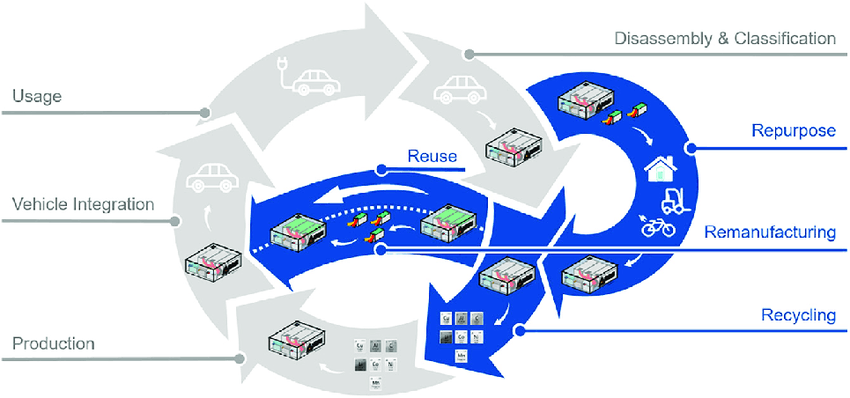
An EV battery typically reaches "end of life" when it drops to 70 to 80 percent of its original capacity. That's not enough for driving, but it's still a lot of stored energy. By 2035, the IEA estimates that EV battery retirements could exceed 1.3 million tons annually [1]. The question isn't whether there will be enough retired batteries to repurpose. It's whether we'll have the data to do it safely and economically.
The second-life battery market is expected to grow from roughly 25 to 30 GWh in 2025 to over 330 GWh by 2030 [2]. Companies across the automotive and energy sectors are already building stationary energy storage from retired EV packs. But here's the uncomfortable reality the industry is confronting: data gaps are the single biggest barrier to scaling second-life applications.
The Data Problem
When a battery arrives at a repurposing facility, the first question is straightforward: what's its actual state of health? The answer should come from the battery's lifetime data: every charge cycle, every thermal event, every cell imbalance, every protection trigger recorded over years of use [3].
In practice, most batteries arrive with little to no accessible history. The original BMS monitored everything in real time but didn't persist historical data in any retrievable format. So repurposers have to conduct extensive testing, sometimes weeks of characterization, to determine what the BMS should have been recording all along.
Without reliable lifecycle records, repurposers face higher testing costs, longer processing times, and increased safety risks [4]. In the worst cases, perfectly good batteries get sent straight to recycling, shredded for materials rather than repurposed, because nobody can verify their condition with confidence.
How Cloud BMS Fixes This
A BMS that transmits telemetry to a cloud platform throughout the battery's first life creates exactly the record that second-life applications need [5]. Cell-level voltage histories, temperature profiles, cycle counts, capacity degradation curves, fault logs: all timestamped, all tied to a specific battery serial number, all accessible when the battery reaches end of life.
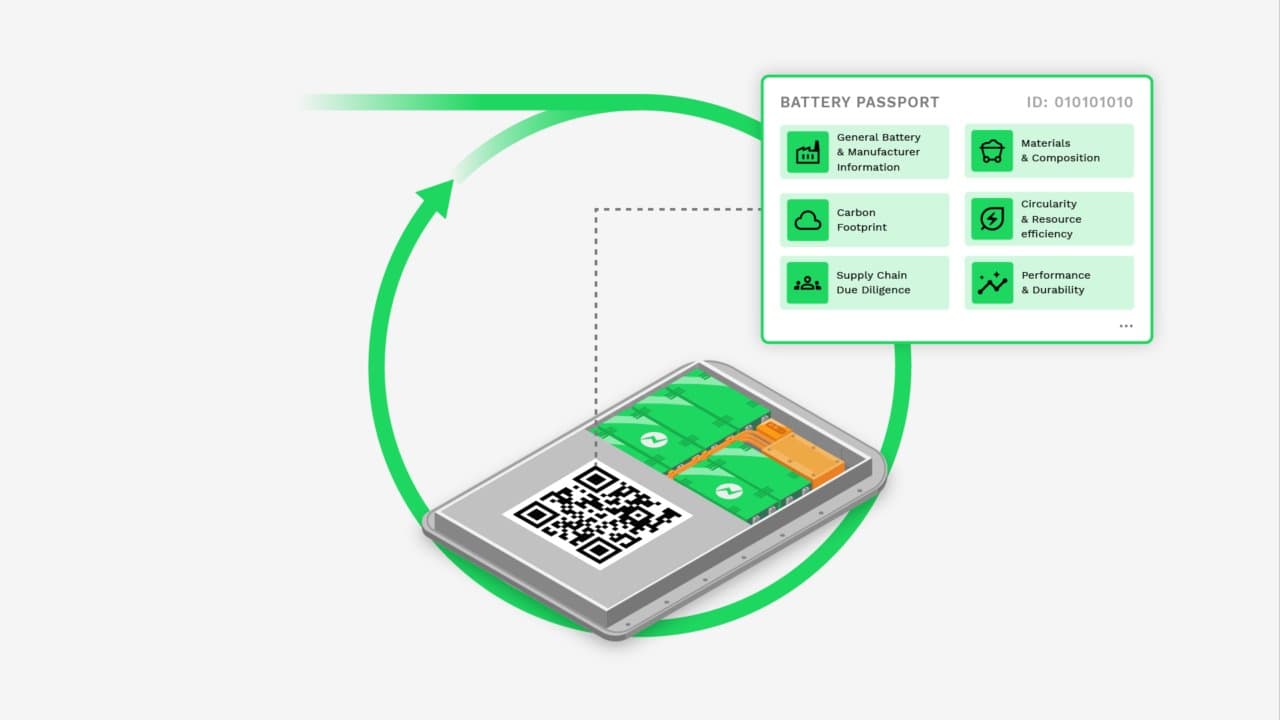
Under the EU Battery Regulation (effective February 2027) [6], digital battery passports will require precisely this kind of lifecycle data [7]. Companies that collect it from day one through cloud-connected BMS will have batteries that are regulation-compliant and significantly more valuable on the secondary market. A battery with a complete digital history is worth meaningfully more than one that requires weeks of testing to characterize.
Edge and Cloud AI: From Data Collection to Intelligent Grading
Recording lifecycle data is the foundation. But turning that data into actionable second-life decisions requires intelligence at two levels.
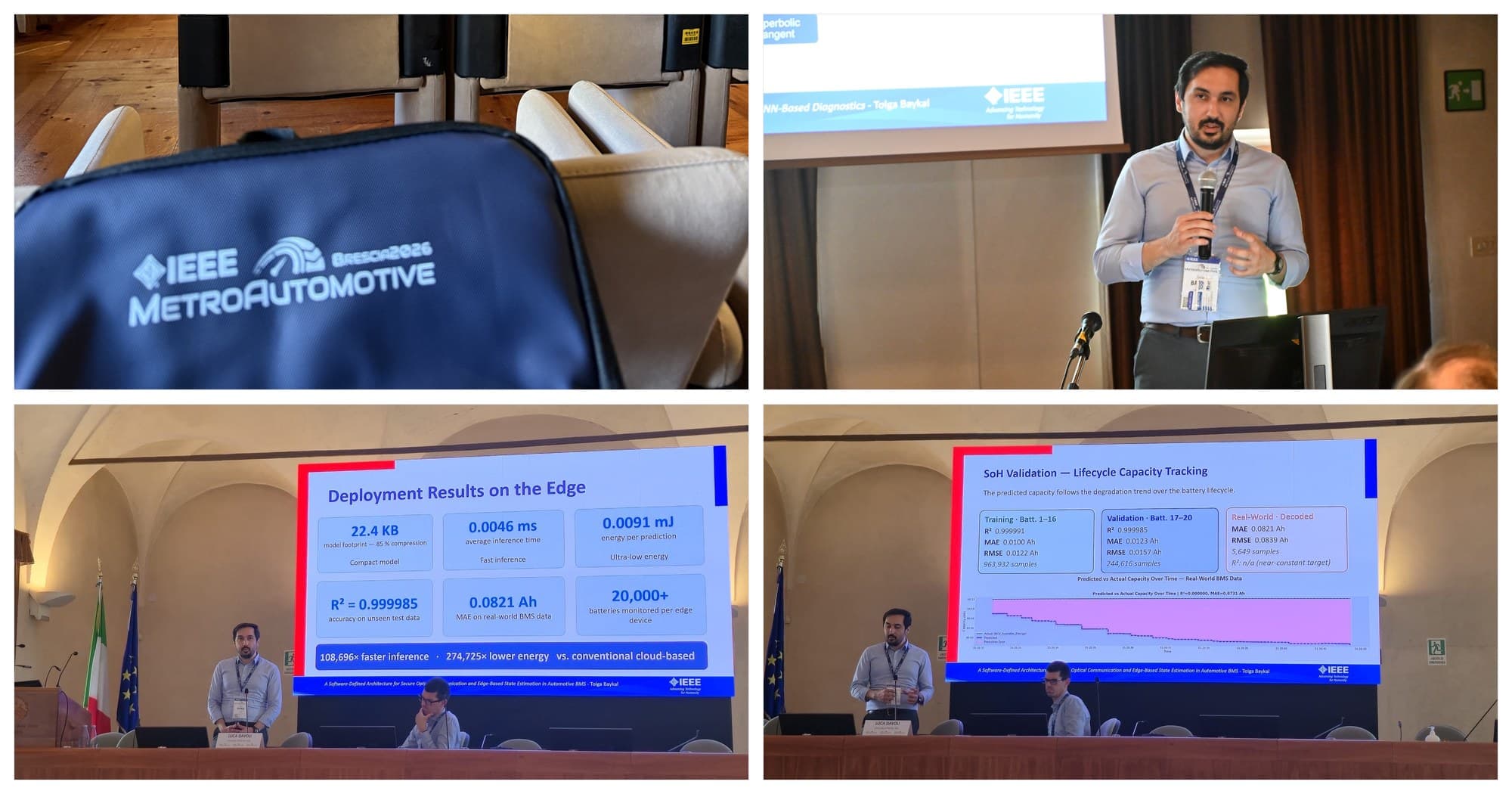
At the edge: The BMS firmware running on each pack continuously tracks degradation signatures that matter for second-life assessment. SOH estimation, internal resistance trends, capacity fade rates, and thermal stress accumulation run in real time on the BMS microcontroller [11]. A pack that crosses a degradation threshold doesn't just trigger an alert. It generates a data-rich profile that tells a repurposer exactly what the battery has been through and how much useful life remains.
In the cloud: Fleet-level AI turns individual pack data into population-level intelligence. When a cloud platform aggregates telemetry from thousands of batteries across different applications, chemistries, and operating conditions, it can build statistical models that predict remaining useful life with far greater accuracy than any single-pack calculation. Recent research demonstrates that AI-driven retirement strategies based on fleet data extend battery service life beyond conventional fixed thresholds and reduce lifecycle carbon intensity by 14.3 percent [12]. Machine learning grading systems that evaluate internal resistance, actual capacity, discharge rate, and cycle count can classify batteries for second-life suitability with accuracy exceeding 93 percent [13].
The combination enables automated battery grading: classifying retired packs by their actual condition and matching them to appropriate second-life applications. A pack with 75 percent SOH and stable degradation characteristics might be ideal for grid-scale energy storage. One with 72 percent SOH but accelerating capacity fade might be better suited for less demanding applications or direct recycling. Making these distinctions at scale requires exactly the kind of edge-plus-cloud data infrastructure that cloud-connected BMS provides.
Digital twins take this further. A virtual model of each physical battery, continuously updated with real-time telemetry, can simulate future degradation under different second-life operating scenarios [14]. What happens if this pack runs at 25°C in a stationary storage application versus 35°C in an industrial UPS? How many additional cycles can it deliver before dropping below the 60 percent threshold? These are questions a digital twin can answer before the battery ever leaves its first-life application, turning the retirement decision from a pass-fail test into a quantitative optimization.
What LiBat Has Built for This
Our ecosystem was designed with lifecycle continuity in mind. The infrastructure that serves first-life battery management is the same infrastructure that enables second-life readiness.
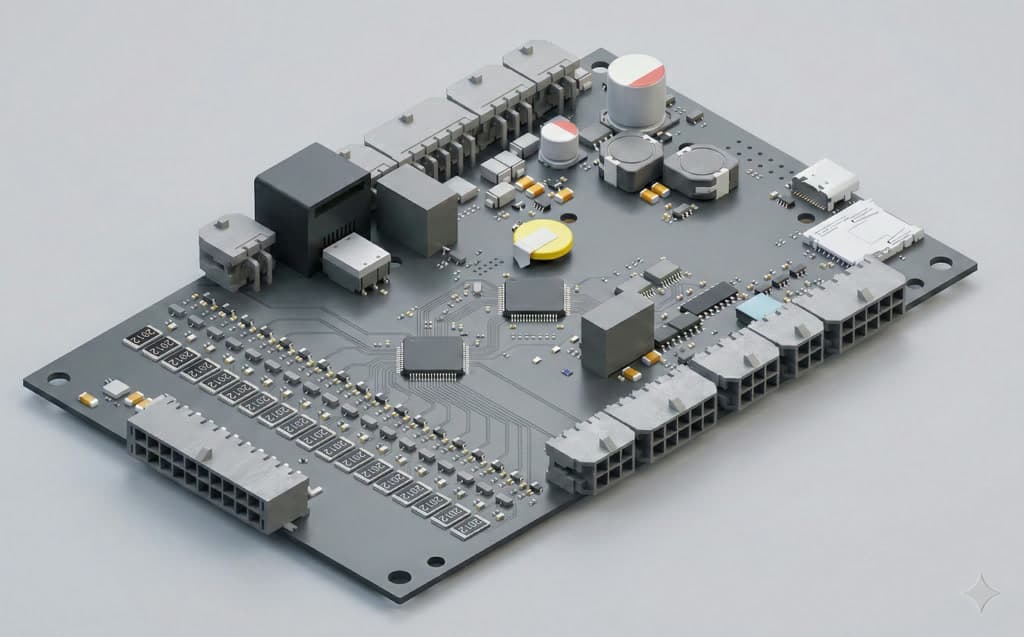
Complete lifecycle records from day one. Every LiBat BMS (BMS1810, BMS1820, BMS1601, BMS1802) captures cell-level voltages, temperatures, charge-discharge cycles, balancing events, and protection triggers [5]. This isn't sampled data or periodic snapshots. It's continuous telemetry that builds a complete operational history for every battery in the field.
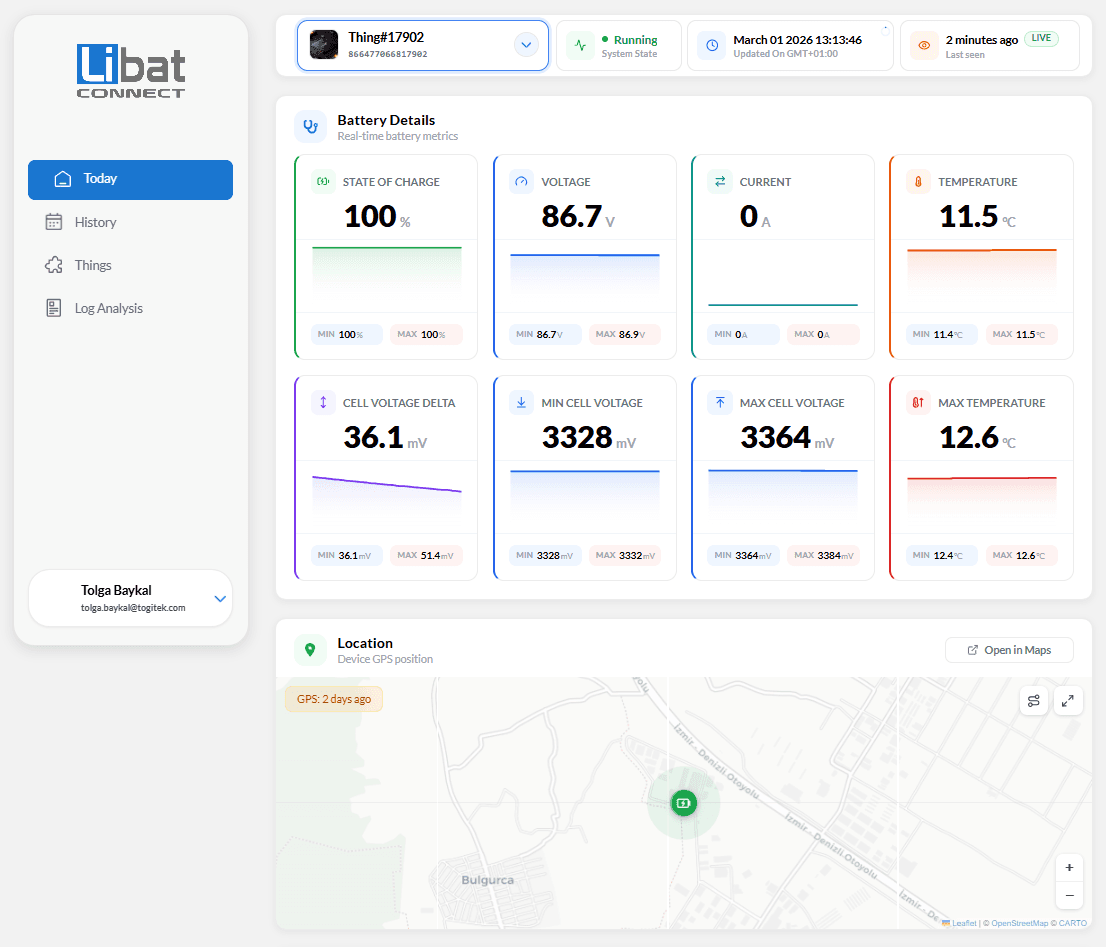
Fleet-level analytics through LiBat Connect. The cloud platform aggregates telemetry across installations and geographies, enabling the fleet-wide comparisons that second-life assessment demands [9]. Which packs are aging gracefully? Which are showing early signs of accelerated degradation? These answers emerge from population-level data that no individual BMS can provide on its own.
Battery passport compliance. Our battery passport module maps directly to the data requirements of EU Regulation 2023/1542 [7]. The same lifecycle data that supports intelligent second-life grading also satisfies the regulatory reporting requirements taking effect in February 2027. One data collection effort serves both purposes.
Continuous improvement through OTA. As cloud-level analytics improve with growing fleet data, better SOH algorithms and degradation models get pushed to BMS units in the field through over-the-air firmware updates. The second-life readiness of batteries deployed today improves continuously, even after installation, as the models sharpen.
The value of this approach compounds over time. A battery monitored by a cloud-connected LiBat BMS for its entire first life arrives at the retirement decision point with a complete, verified, standardized data package. No weeks of characterization testing. No uncertainty about actual condition. No guessing about remaining capacity. The data is already there, and the AI models trained on the fleet's collective experience can predict exactly how much value remains.
Chemistry and Second Life
Not all retired batteries are equally suited for repurposing. LFP batteries, with their longer cycle life and better thermal stability, are particularly attractive for stationary storage [8]. NMC batteries have higher energy density but different degradation characteristics that need careful assessment.
The BMS needs to account for these chemistry-specific differences in its lifecycle data. Balancing behavior, SOH estimation accuracy, and degradation curve shapes all vary by chemistry. A cloud platform that tracks chemistry-specific performance data across entire fleets provides the foundation for intelligent repurposing decisions, sorting batteries by actual condition rather than by age alone.
What to Do Now
The batteries being built today will enter the second-life market in 5 to 10 years. The BMS data architecture decisions made now determine whether those batteries have repurposing value.
Collect lifecycle data from day one. Cloud-connected BMS stores complete usage histories, not just real-time snapshots [9]. You can't go back and collect data retroactively.
Ensure data portability. When a battery changes ownership, its data should follow. Standardized formats and accessible APIs make this practical rather than theoretical.
Design for disassembly. Modular BMS architectures with standard connectors make pack-level and module-level repurposing feasible [10]. If the BMS can't be economically separated from the cells, repurposing gets harder.
Think about your battery's second customer. The repurposer, the energy storage operator, the grid operator: they all need information that only the BMS can provide during the battery's first life. Making that data available isn't just environmentally responsible. It's an emerging competitive advantage as the circular economy scales up.
References
- [1]IEA, Global EV Outlook 2024 — Trends in Electric Vehicle Batteries and Retirements
- [2]Circular Energy Storage Research & Consulting, Second-Life Battery Market Outlook 2025-2030
- [3]Barré, A. et al., A Review on Lithium-Ion Battery Aging Mechanisms and Estimations for Automotive Applications, Journal of Power Sources, Vol. 241, 2013
- [4]Hossain, E. et al., A Comprehensive Review on Second-Life Batteries: Current State, Manufacturing Considerations, and Applications, Renewable and Sustainable Energy Reviews, Vol. 167, 2022
- [5]LiBat — Battery Management Systems: Complete Product Lineup and Communication Interfaces
- [6]Regulation (EU) 2023/1542 concerning batteries and waste batteries — Official Journal of the European Union
- [7]LiBat — Battery Passport: EU Battery Regulation Compliance and Lifecycle Analytics
- [8]Woody, M. et al., Strategies to Limit Degradation and Maximize Li-Ion Battery Service Lifetime, Journal of The Electrochemical Society, Vol. 167, 2020
- [9]LiBat — Configuration Tools: LiMon PC Tool, LiMon CONNECT, and LiBat CONNECT Mobile
- [10]Global Battery Alliance, Battery Passport — Enabling the Circular Battery Value Chain
- [11]Gismero, A. et al., State of Health (SoH) Estimation Methods for Second Life Lithium-Ion Battery: Review and Challenges, Applied Energy, Vol. 369, 2024
- [12]Li, Y. et al., AI-Driven Echelon Utilization of Retired Electric Vehicle Batteries and Their Life Cycle Carbon Mitigation Potential, Carbon Neutral Systems, Springer, 2025
- [13]Kumar, P. et al., A Robust Machine Learning-Based System for Battery Grading and Lifecycle Prediction for Electric Vehicle Applications, International Journal of Information Technology, Springer, 2025
- [14]Artificial Intelligence and Digital Twin Technologies for Intelligent Lithium-Ion Battery Management Systems: A Comprehensive Review, MDPI Batteries, Vol. 11, 2025