Range anxiety isn't just a feeling. It's a measurement problem. EV range estimates are notoriously unreliable, swinging wildly based on driving style, weather, terrain, and battery age. When the dashboard says 200 km but reality delivers 150, trust erodes. And trust is what sells electric vehicles.
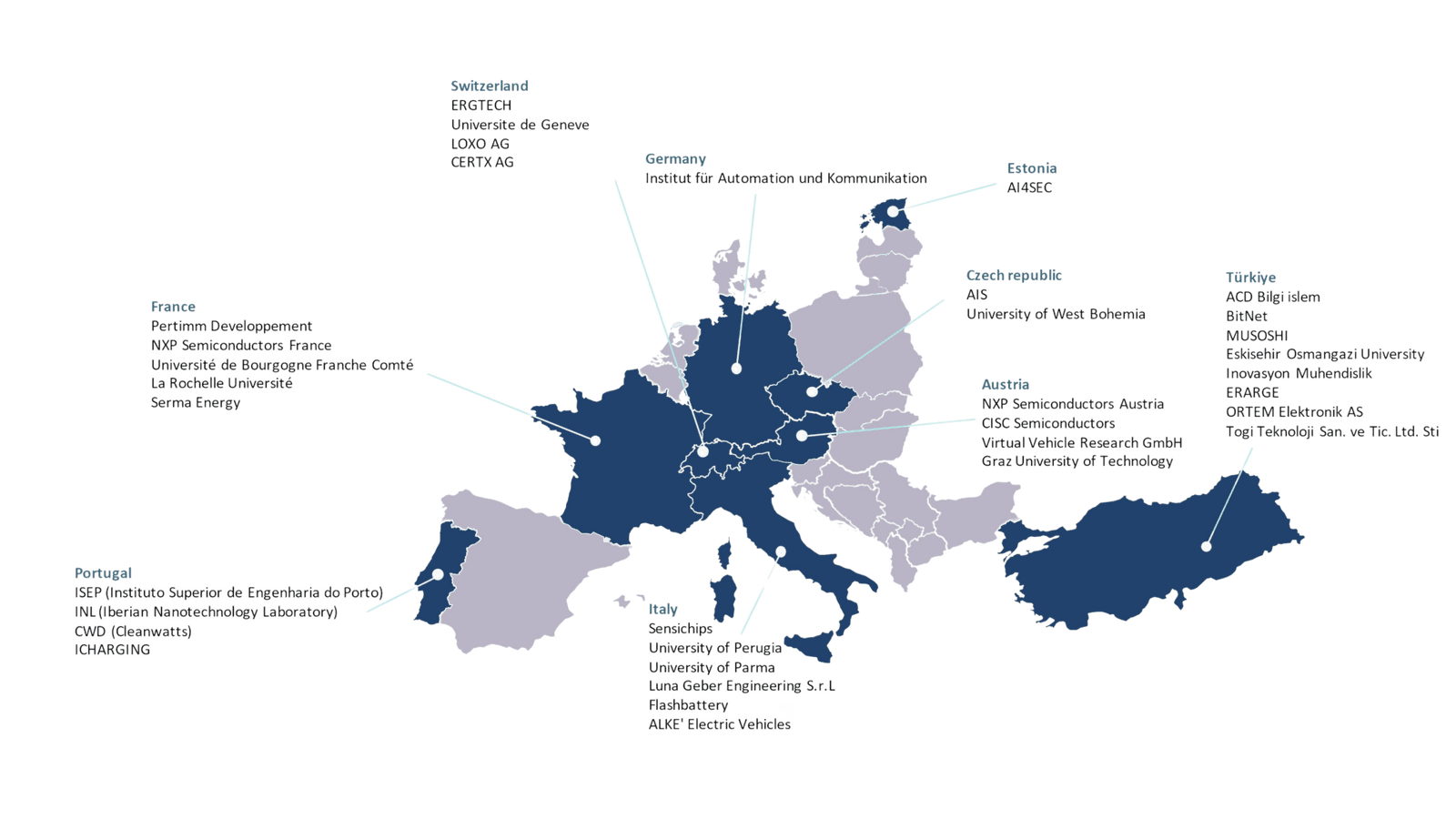
With EV sales reaching 14 million units in 2023 according to the IEA, up from 3 million just three years earlier, the scale of this problem is growing with the market [1]. The OPEVA project (OPtimization of Electric Vehicle Autonomy) exists to tackle it head-on. Funded under the Horizon Europe program through the Chips Joint Undertaking, OPEVA brings together 34 organizations from across Europe with concrete targets: 10% better range prediction, 10% less energy consumption, and 10% faster charging [2] [11].
What Makes OPEVA Different
Most range prediction systems rely solely on battery data: voltage, current, temperature, state of charge. OPEVA takes a different approach. It aggregates information from the entire vehicle [3]. Internal sensors, driving behavior patterns, environmental data, and historical performance all feed into a model personalized to the individual vehicle and its driver.
The result isn't a generic estimate. It's a prediction that learns and improves with every drive.
With a total budget of EUR 25.5 million and Turkish participation supported by TÜBİTAK [4], the consortium spans universities, research institutes, automotive suppliers, and technology companies. The mix is deliberate. Fundamental research and commercial application developing in parallel, with each informing the other.
Our Contribution
We're involved in three work areas within OPEVA.
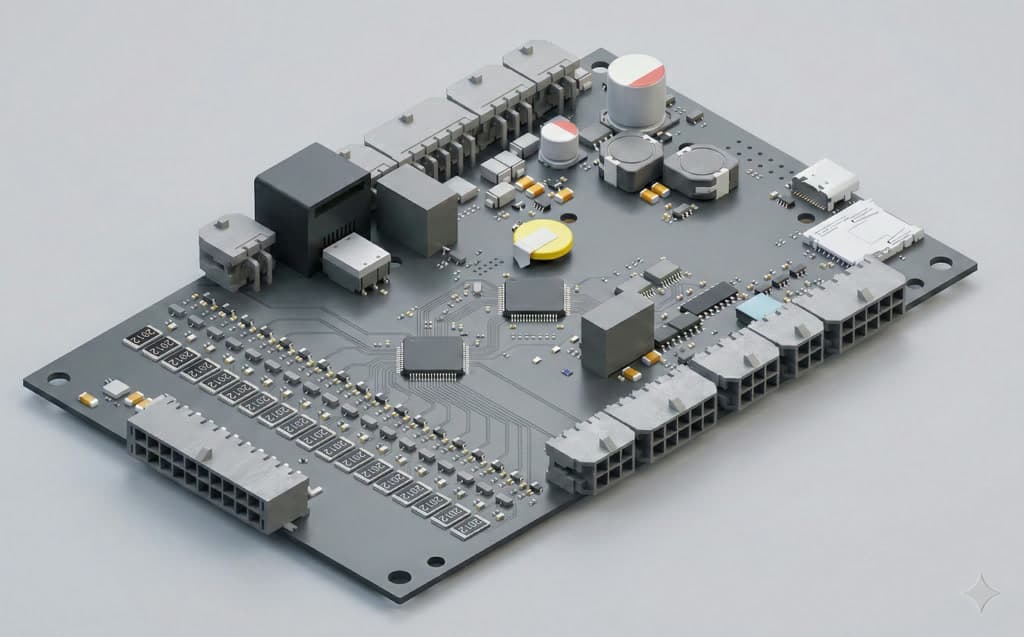
Smart battery management infrastructure. Our BMS hardware and cloud connectivity serve as the data backbone for battery-side intelligence within the project [5]. The cell-level telemetry we collect feeds into OPEVA's predictive models, providing the ground-truth battery data that range estimation algorithms need to train against.
Wireless charging integration. We're contributing to the work package exploring how wireless (inductive) charging systems interact with battery management [6]. Charging efficiency and battery health have to be balanced carefully during wireless power transfer, and the BMS needs visibility into charging parameters that are different from wired DC fast charging.
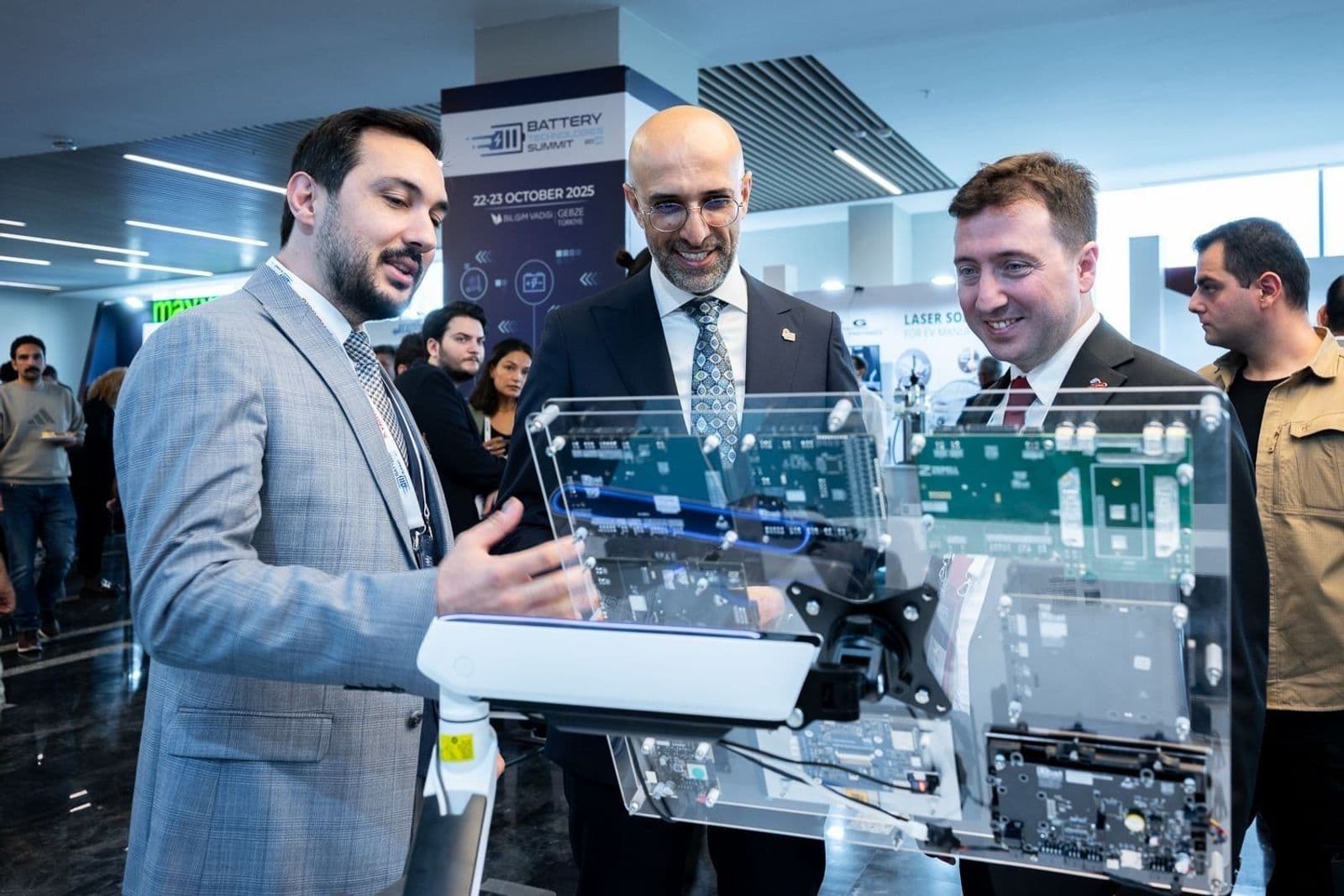
Cybersecurity and AI for cloud BMS. At the Brussels Institute for Advanced Studies (BrIAS) at Vrije Universiteit Brussel, we presented two poster papers: one on cloud-aided battery management strengthened with cybersecurity and AI, and another on multi-purpose electronic contactor design for high-voltage power path control [7].
A paper co-authored through our OPEVA work was published at the 2025 IEEE International Workshop on Metrology for Automotive: "Ontology-Driven Metrology Data Management for Wireless Charging, Battery Management, and Predictive Maintenance in Electrical Vehicles" [8]. It addresses a practical problem we deal with daily: how to standardize the enormous volume of measurement data that BMS, chargers, and predictive algorithms generate.
Milestones in 2025
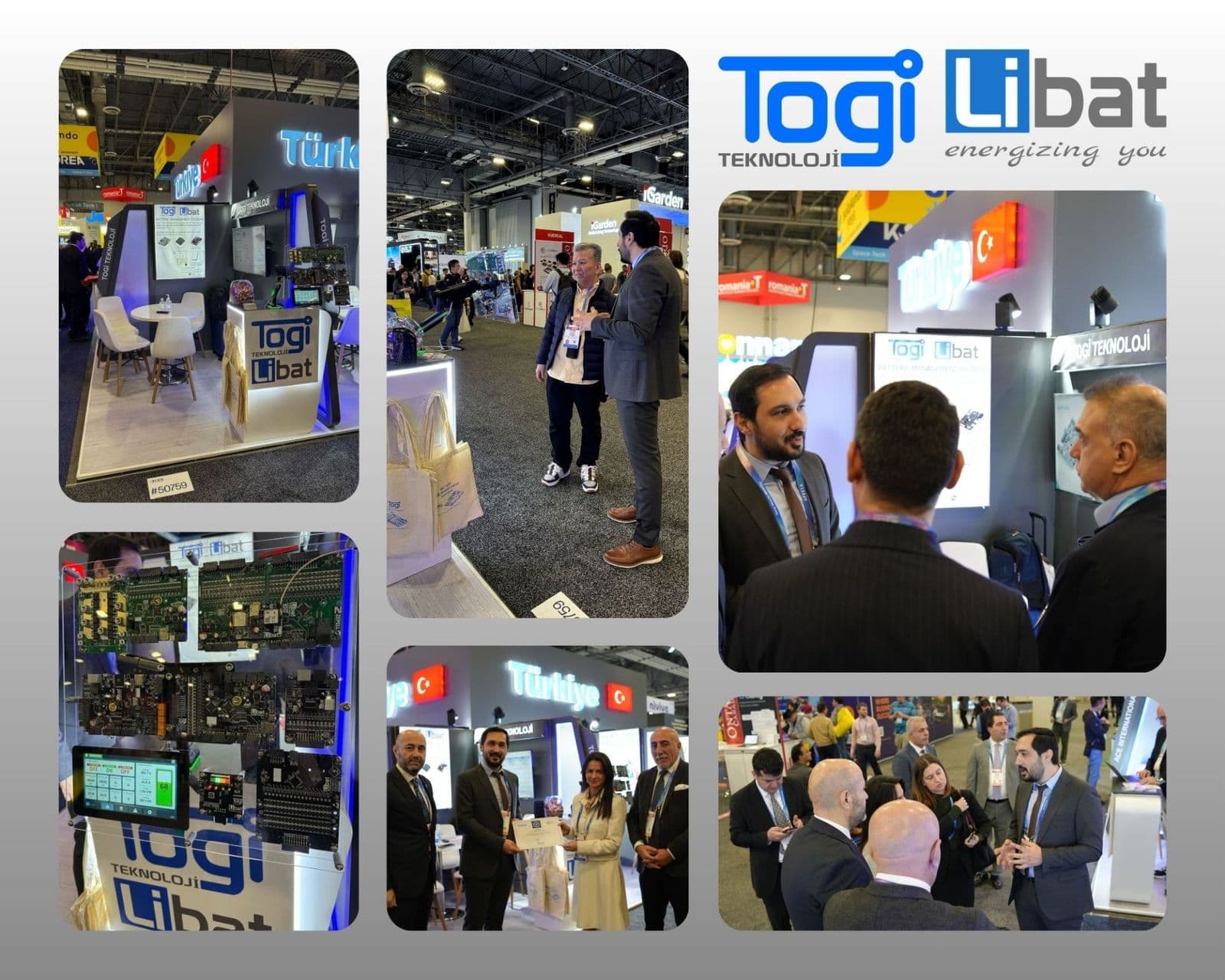
The project pace has been intense. In March 2025, the second review meeting at Chips Joint Undertaking headquarters in Brussels included live smart BMS demonstrations alongside other work packages. In May, the BrIAS presentations at Vrije Universiteit Brussel. By July, the consortium gathered at Instituto Superior de Engenharia do Porto (ISEP) in Portugal for the latest work on smart BMS infrastructure and wireless charging integration.
Each meeting reinforces what makes consortium research valuable: exposure to problems and approaches we'd never encounter working in isolation. A wireless charging researcher in Portugal thinks about battery health differently than a BMS firmware engineer in Gebze. Those collisions produce better solutions.
Why This Matters for Our Customers
OPEVA isn't academic for us. It's a product development accelerator. Technologies that get validated in a 34-partner European consortium carry credibility that internal testing and marketing can't replicate [9]. When a customer learns that our cloud BMS architecture has been tested and reviewed by leading European research institutions, that's documented verification, not a marketing claim [10].
For Turkey more broadly, OPEVA represents something important: a seat at the table in European battery innovation. Domestic capability and international collaboration aren't contradictory. For us, they've been mutually reinforcing.
References
- [1]IEA, Global EV Outlook 2024 — Trends in Electric Vehicle Sales and Charging Infrastructure
- [2]European Commission CORDIS, OPEVA — OPtimization of Electric Vehicle Autonomy, Horizon Europe
- [3]Chips Joint Undertaking — Research and Innovation for Europe's Semiconductor Ecosystem
- [4]TÜBİTAK — Horizon Europe Framework Programme Participation
- [5]LiBat — Battery Management Systems: Complete Product Lineup and Communication Interfaces
- [6]SAE J2954:2020 — Wireless Power Transfer for Light-Duty Plug-In/Electric Vehicles and Alignment Methodology
- [7]UNECE Regulation No. 155 — Cyber Security and Cyber Security Management System for Vehicles
- [8]IEEE International Workshop on Metrology for Automotive (MetroAutomotive) 2025 — Conference Proceedings
- [9]LiBat — Configuration Tools: LiMon PC Tool, LiMon CONNECT, and LiBat CONNECT Mobile
- [10]European Commission, Horizon Europe — The EU Research and Innovation Programme 2021-2027
- [11]OPEVA Project — OPtimising Electric Vehicle Autonomy, Official Project Website